Meladiya: A Balanced Serif Font for Digital Design
In the fast-paced world of web design, typography is often the first element a user notices, yet it is frequently the last to be refined. As digital product creators, we know that the right typeface does more than just display text; it sets the emotional tone, guides the eye through visual hierarchy, and establishes immediate brand trust. This is where Meladiya enters the conversation. It is not merely another addition to the vast library of available fonts; it is a carefully crafted serif typeface designed to bridge the gap between classical elegance and modern digital usability.
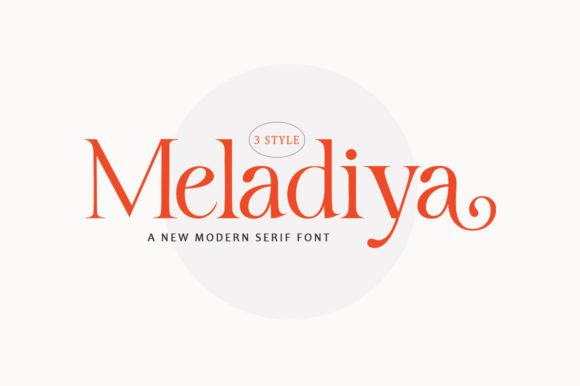
Meladiya stands out because it avoids the extremes that often plague display fonts. It is not so thin that it disappears on low-resolution screens or gets lost in complex backgrounds, nor is it so thick that it feels heavy or oppressive in a clean, minimalist layout. This balance is critical for UI designers who need versatility. Whether you are building a high-conversion landing page for a SaaS product, designing the hero section of a boutique online store, or crafting the header for a personal portfolio, Meladiya offers a delicate yet authoritative presence.
Visual Characteristics and Digital Appeal
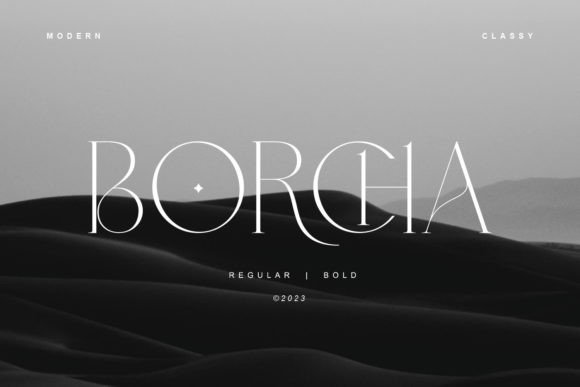
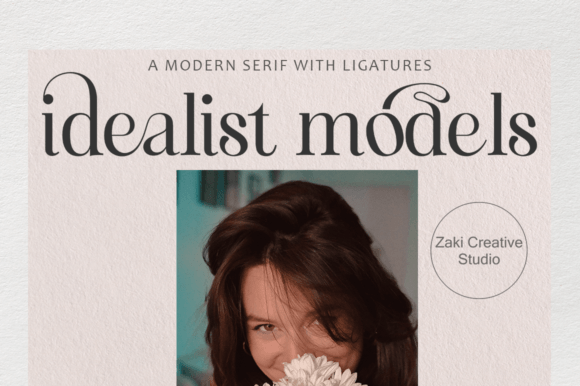
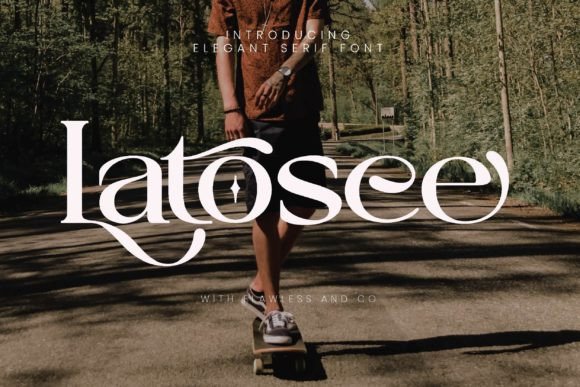
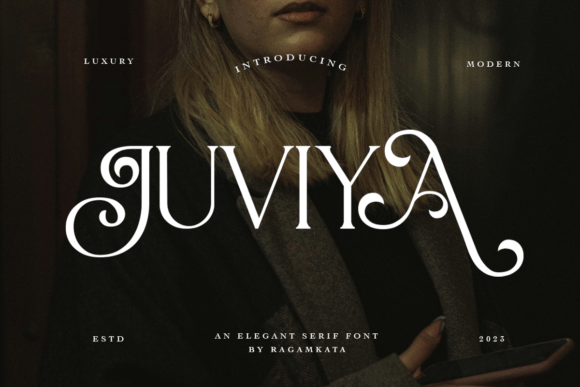
The core strength of Meladiya lies in its varied stroke weights and refined serifs. In traditional print design, serifs help guide the reader’s eye along the line, improving readability. In digital environments, however, serifs can sometimes feel outdated if not executed with precision. Meladiya solves this by offering a modern interpretation of the serif style. The curves are smooth, the terminals are sharp but not aggressive, and the overall proportion is harmonious. This makes it an ideal choice for brands that want to convey sophistication, reliability, and creativity without appearing stiff or corporate.
For web designers, the "delicate and classy" look of Meladiya translates into higher perceived value. When used in headers or call-to-action areas, it elevates the aesthetic of the entire page. It works exceptionally well for short phrases, titles, and logos where impact is necessary. Because it is a display-oriented serif, it shines in larger sizes. Using it for body copy in long-form articles might not be optimal unless the font size is generous and line height is adjusted carefully. Instead, pair it with a clean, neutral sans serif font for paragraph text to create a pleasing contrast that enhances scanning behavior and reduces cognitive load for the user.
Enhancing Visual Hierarchy and Brand Tone
Visual hierarchy is the backbone of effective UX design. It tells the user what to look at first, second, and third. Meladiya serves as a powerful tool in establishing this hierarchy. Its distinct personality makes it perfect for H1 and H2 headings, drawing immediate attention to key messages. For instance, on a coaching website or a course sales page, using Meladiya for the main headline can create a sense of exclusivity and premium quality. This subtle psychological cue can significantly influence conversion rates, as users often associate elegant typography with higher-quality services or products.
Consider a lifestyle blog or an editorial platform. Here, the font contributes to the narrative voice. Meladiya’s classic roots give it an editorial feel, reminiscent of high-end magazines. When used in blog graphics or section dividers, it adds a layer of professionalism that generic system fonts cannot match. For online store owners, particularly those selling jewelry, fashion, or home decor, Meladiya can be used in banner ads and product collection titles to reinforce a luxury brand identity. It communicates that attention to detail is a priority, which builds trust with potential customers.
Practical Applications in Web Layouts
To get the most out of Meladiya, context is key. Here are several practical scenarios where this font excels:
- Hero Sections: Use Meladiya for large, impactful headlines on landing pages. Its balanced weight ensures it remains legible even when overlaid on images, provided there is sufficient contrast.
- Logo Design: For startups and creative entrepreneurs, Meladiya can serve as the basis for a wordmark logo. Its unique character shapes offer distinctiveness without requiring excessive modification.
- Testimonials and Quotes: Pull quotes benefit greatly from serif fonts. Using Meladiya for customer testimonials adds credibility and breaks up the monotony of sans-serif body text.
- Navigation and Buttons: While generally better for headings, Meladiya can work for navigation items if the size is appropriate. However, avoid using it for small button labels where clarity at a glance is paramount; a simple sans serif is usually safer for micro-copy.
When integrating Meladiya into responsive layouts, pay close attention to mobile screens. On smaller devices, delicate serifs can lose definition. Ensure that font sizes are scaled appropriately for mobile views, and consider increasing letter spacing slightly to improve legibility. Testing on various devices is essential to maintain the font’s elegance across all breakpoints.
Font Pairing and Technical Considerations
Successful web typography rarely relies on a single font. Pairing Meladiya with a complementary typeface is crucial for a cohesive design system. Since Meladiya is a serif with a strong personality, it pairs beautifully with geometric or humanist sans serif fonts. For example, combining it with a clean, modern sans serif for body copy creates a dynamic tension that keeps the user engaged. This combination is a staple in modern typography, offering the best of both worlds: the warmth and tradition of the serif and the clarity and neutrality of the sans serif.
Before implementing Meladiya in client projects or digital products, verify the technical specifications. Check for available weights and styles to ensure you have enough flexibility for different design needs. Look for webfont formats such as WOFF and WOFF2, which are optimized for fast loading times on websites. Slow-loading fonts can negatively impact user experience and SEO rankings, so optimization is non-negotiable. Additionally, review the license agreement. Most premium fonts require specific licenses for web use, especially if the project involves high traffic or commercial applications like online stores and SaaS platforms. Ensuring proper licensing protects your business and respects the intellectual property of the type designer.
Meladiya is more than just a set of characters; it is a design asset that can transform the perception of your digital presence. By understanding its strengths and applying it strategically within your visual hierarchy, you can create web experiences that are not only functional but also emotionally resonant. Whether you are refining a brand identity or launching a new digital product, let Meladiya add that touch of refined elegance that distinguishes good design from great design.